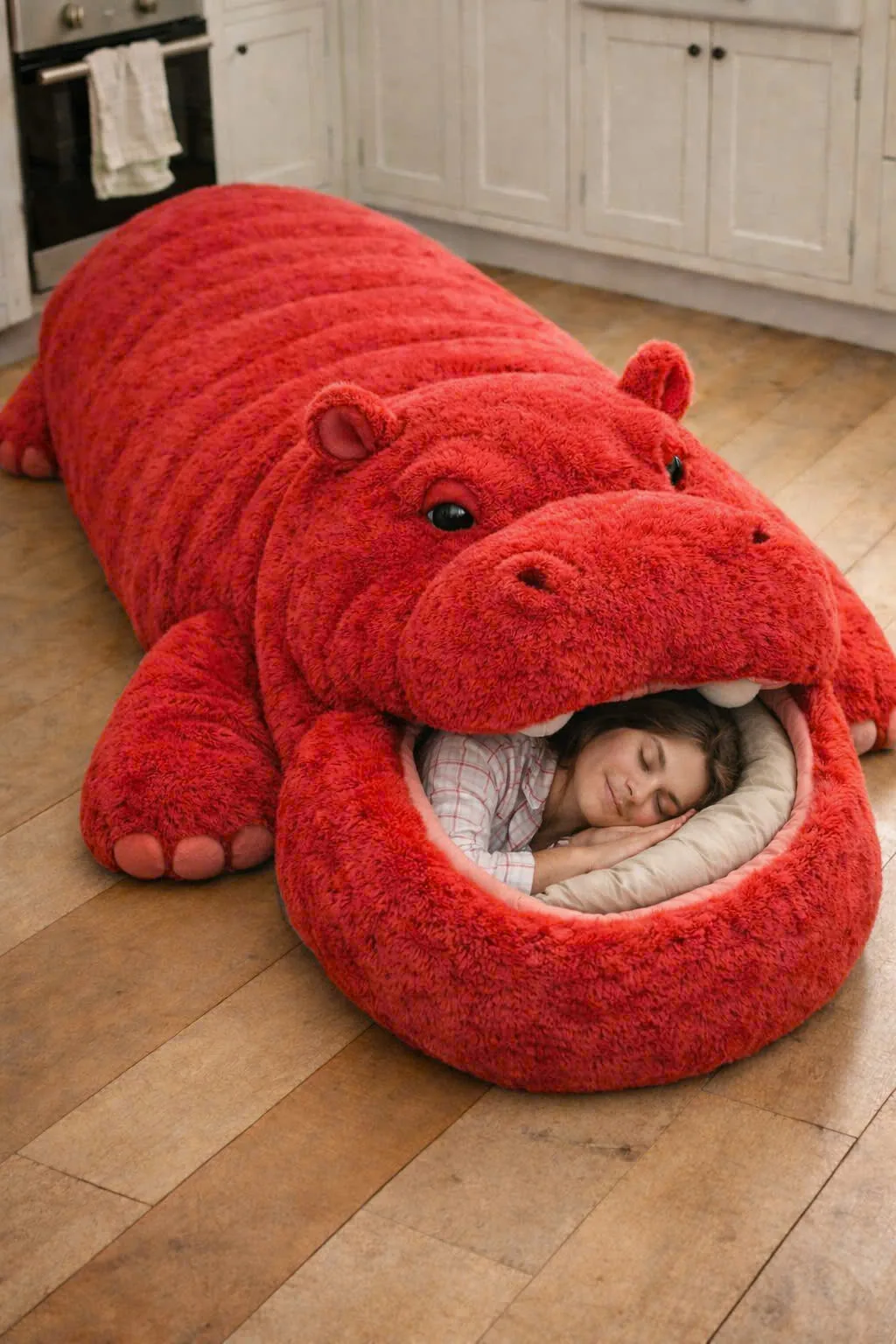
When venturing into the great outdoors, ensuring a good night’s sleep is often overlooked but absolutely crucial. The Hippo Sleeping Bags have emerged as a top choice for camping enthusiasts seeking warmth, comfort, and durability. Designed to withstand diverse weather conditions while providing a cozy refuge after a day of adventure, they stand out in the crowded world of outdoor gear.
In this article, we’ll explore how to effectively use Hippo Sleeping Bags, compare their models, and offer expert advice to help you optimize your camping experience with these innovative sleep solutions. Whether you’re a seasoned hiker or a weekend camper, understanding these bags will transform how you rest under the stars.
Contents
The Essentials of Using Hippo Sleeping Bags – A Guide for Campers
Using a Hippo Sleeping Bag correctly can significantly enhance your outdoor experience. Proper usage not only prolongs the life of the sleeping bag but also maximizes comfort, warmth, and convenience. From selecting the right model to care tips, let’s delve into practical advice on how to get the most out of your Hippo Sleeping Bags.
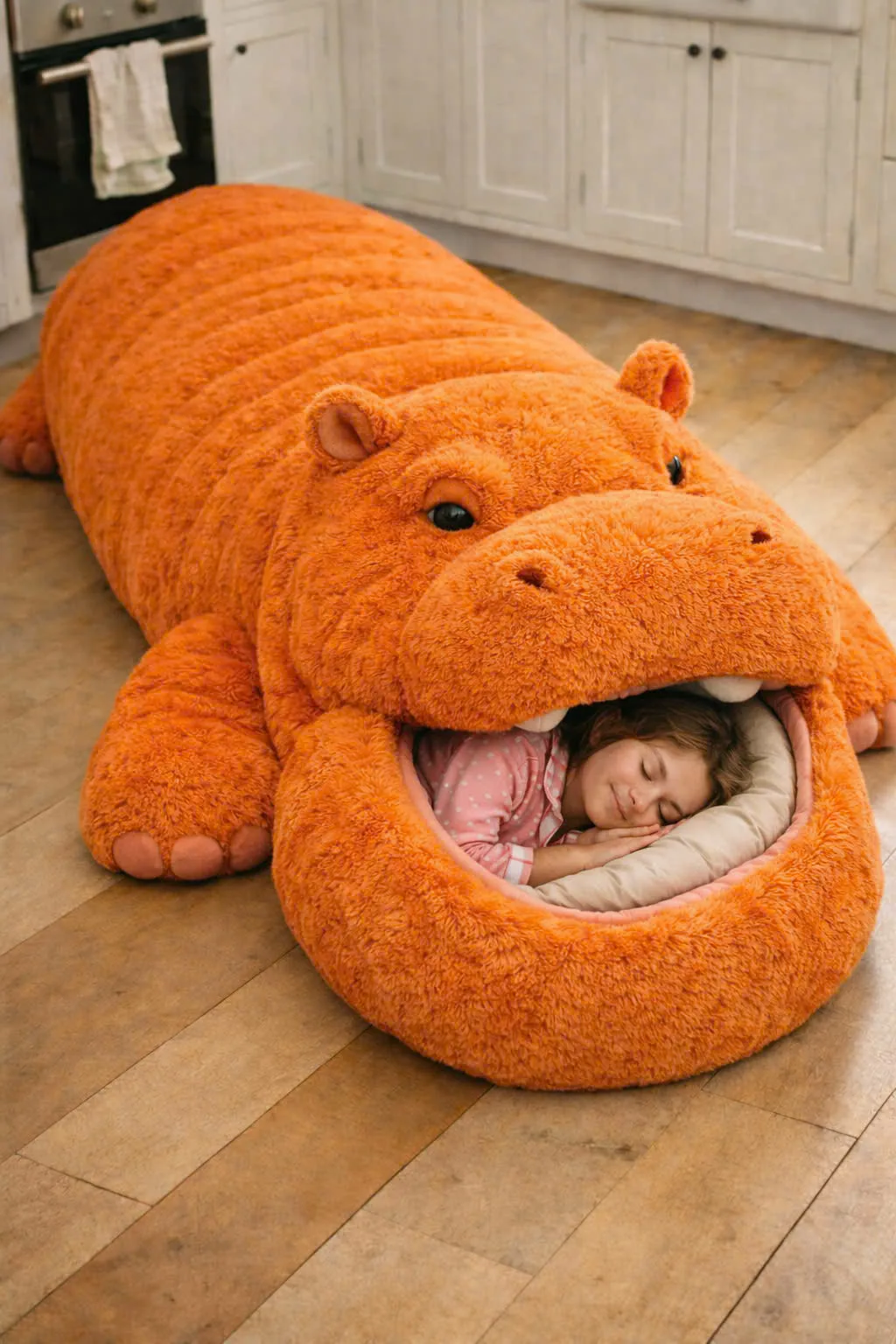
This section discusses key techniques and considerations, emphasizing the importance of preparation, fit, and maintenance. Whether you’re new to camping or an experienced outdoor lover, these guidelines will help you utilize Hippo Sleeping Bags effectively.
Selecting the Appropriate Hippo Sleeping Bag for Your Needs
Every outdoor adventure demands a tailored approach, especially in choosing sleeping gear. Hippo Sleeping Bags come in various sizes, insulation types, and temperature ratings, making selection pivotal to your comfort and safety.
When selecting the appropriate Hippo Sleeping Bag, consider your typical camping environment. Cold weather camping requires bags rated for low temperatures, while summer trips need lighter, breathable options. The bag’s shape—mummy or rectangular—also influences insulation and mobility.
A good rule of thumb is to choose a sleeping bag with a temperature rating at least 10 degrees lower than the expected lowest temperature of your trip. This foresight ensures you stay warm even in unexpected cold snaps. Remember that the right fit is essential; a bag that is too tight or too loose can compromise insulation and sleep quality.
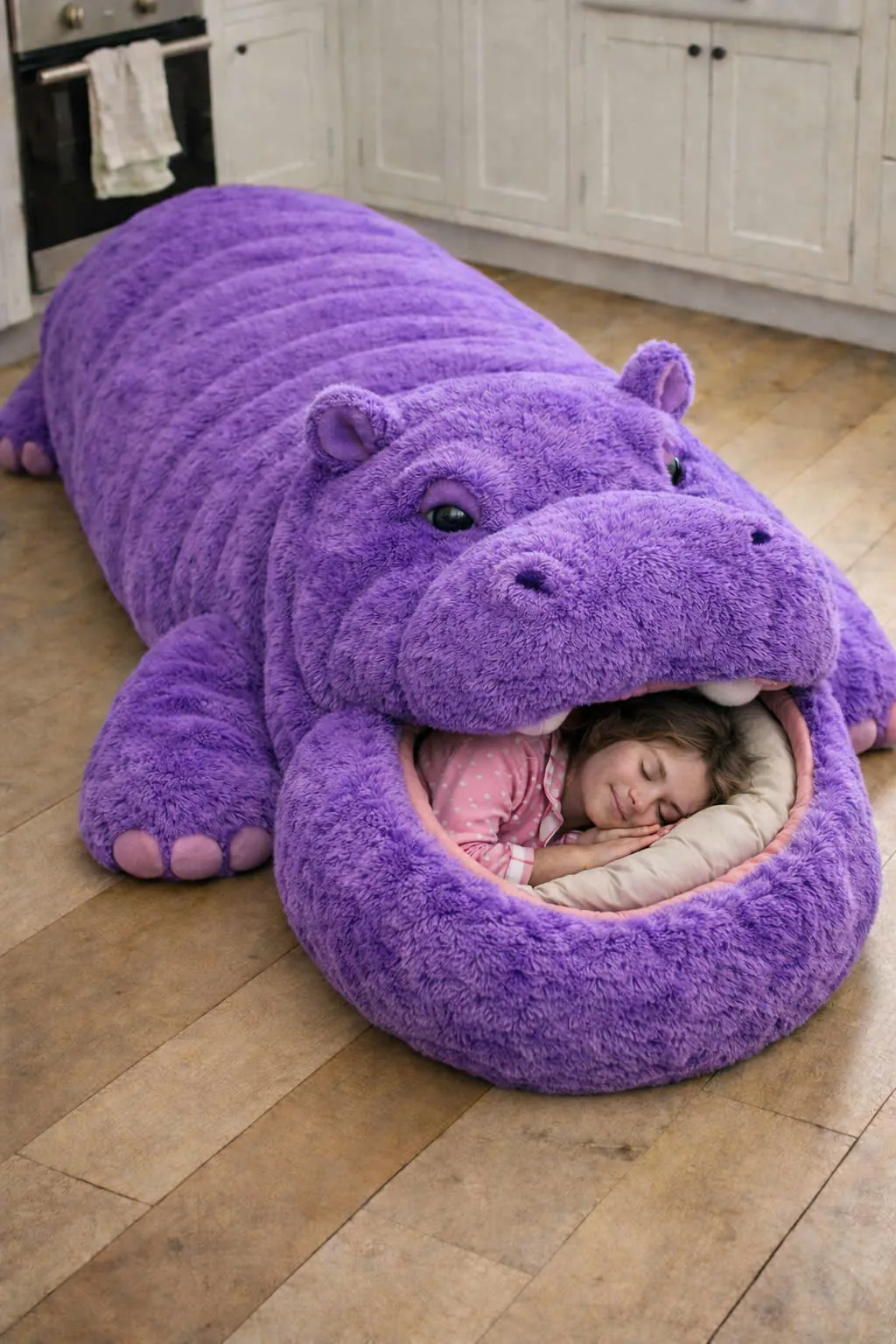

How to Properly Use and Maintain Your Hippo Sleeping Bag
Once you have selected your ideal Hippo Sleeping Bags, using them correctly is key. Before bed, ensure the bag is clean and dry to maintain insulation effectiveness. Always store your sleeping bag in a dry, breathable bag—never in its compressed stuff sack for extended periods.
Inside the sleeping bag, use a clean liner if possible, which helps keep the insulation dry and clean. Utilize a sleeping pad underneath for extra warmth and moisture barrier control. When inside the bag, keep your head covered, but avoid over-tightening the hood, allowing some airflow to prevent condensation.
Maintenance extends the lifespan of the Hippo Sleeping Bags. Regularly inspect for tears or wear, wash as per manufacturer instructions, and air out after use to prevent mold and odor buildup. Proper care guarantees your investment remains a reliable companion on many trips.
Common Mistakes to Avoid When Using Hippo Sleeping Bags
Understanding what NOT to do is as important as knowing the right practices. Many campers make preventable mistakes that compromise their comfort and the durability of their Hippo Sleeping Bags. Identifying these pitfalls allows you to camp smarter and more comfortably.
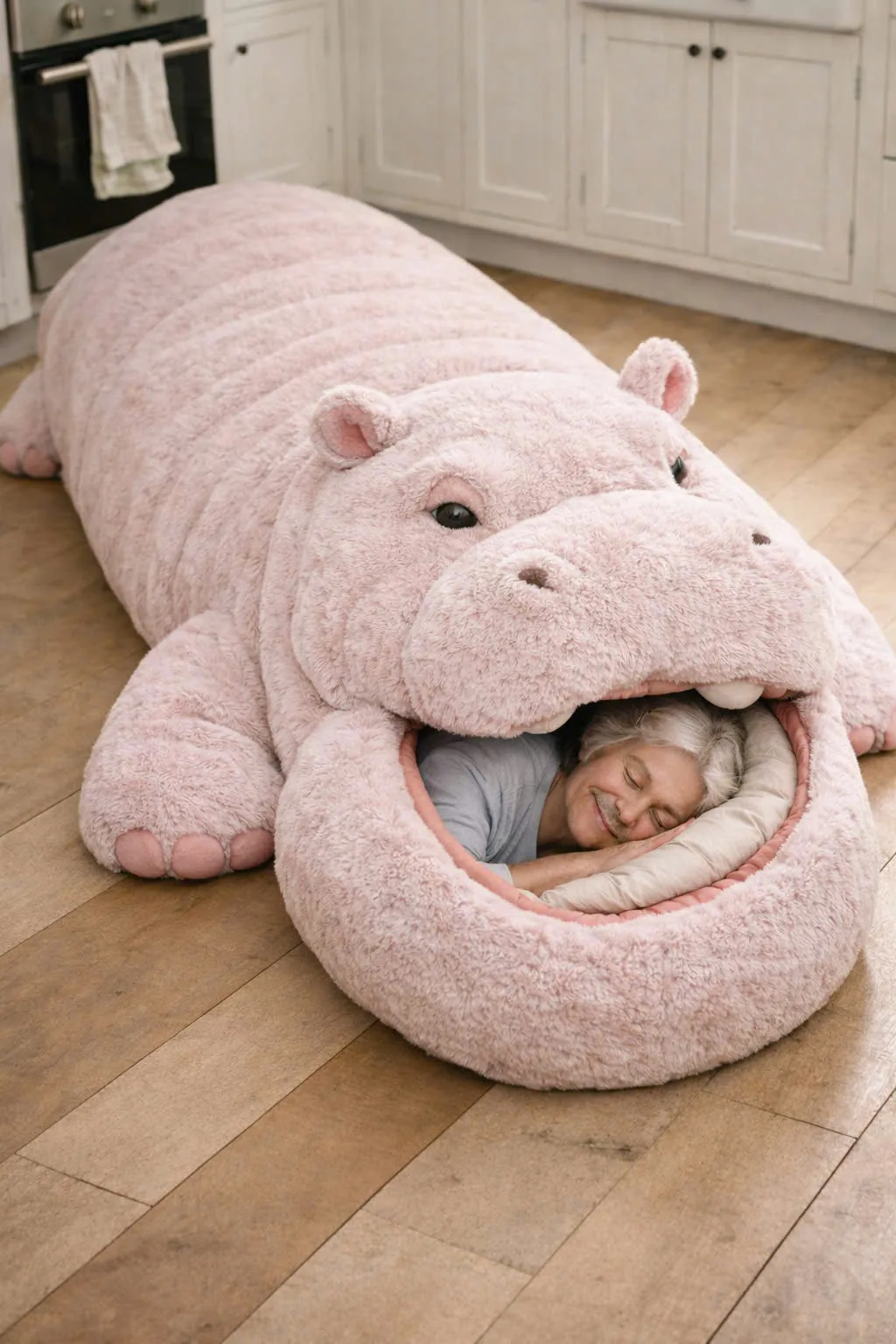
Firstly, avoid storing your sleeping bag in its compressed form for long periods. This damages the insulation, leading to decreased warmth over time. Secondly, don’t ignore weather-appropriate selection; using a summer bag in winter is a recipe for discomfort. Thirdly, neglecting proper bedding or a sleeping pad can result in cold spots and reduce insulation efficiency.
By learning from others’ mistakes and adhering to best practices, you enhance your outdoor sleeping experience. Proper use, care, and preparation are vital for maximizing the benefits of Hippo Sleeping Bags.
Comparing the Leading Models of Hippo Sleeping Bags – Which One Fits Your Adventure?
Choosing the right model from the Hippo Sleeping Bags range requires a thorough understanding of your needs against what each model offers. Different models are tailored for various environments, activities, and personal preferences.
This comparison aims to clarify which Hippo Sleeping Bags model fits your camping style, highlighting key features along with pros and cons, so you can make an informed decision.
Hippo Classic vs. Hippo Ultra-Light: Features and Suitability
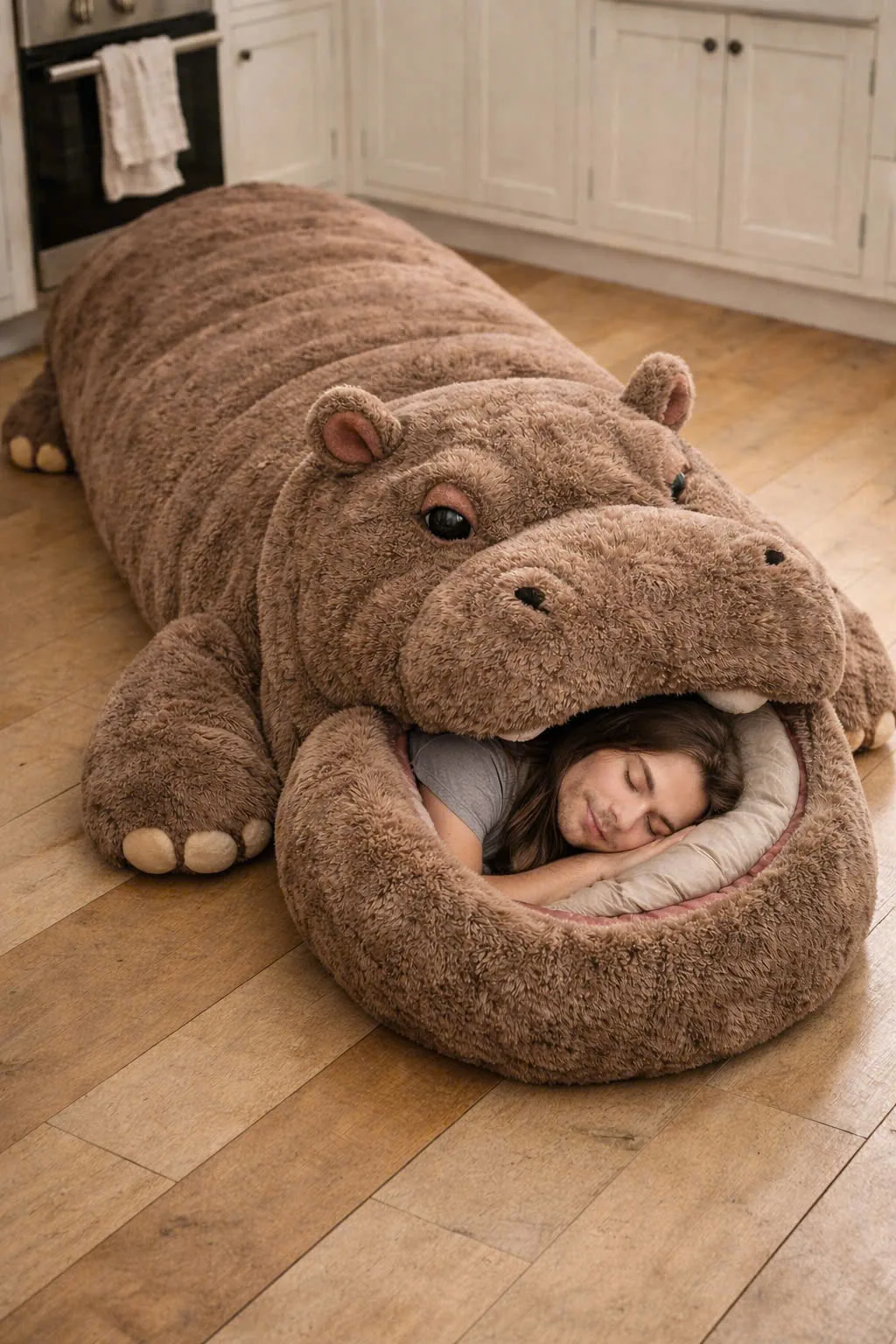
The Hippo Classic and Ultra-Light models are among the most popular choices, each designed for specific outdoor scenarios. The Classic is robust, highly insulated, and ideal for colder conditions, while the Ultra-Light emphasizes portability and breathability, perfect for summer or portable backpacking.
| Feature | Hippo Classic | Hippo Ultra-Light |
|---|---|---|
| Weight | 3.5 lbs | 1.8 lbs |
| Insulation Type | Synthetic / Down | Synthetic / Down |
| Temperature Range | 20°F to 40°F | 40°F to 70°F |
| Pack Size | Larger, less packable | Compact, space-saving |
Choosing between these depends on your camping climate and weight considerations. For winter expeditions, the Classic excels, offering maximum insulation. Conversely, for summer hikes, the Ultra-Light provides adequate warmth without adding excessive weight.
Inflatable vs. Non-Inflatable Hippo Sleeping Bags – Which Is Better?
A common debate in outdoor sleeping gear circles revolves around the use of inflatable versus traditional Sleeping Bags. Hippo offers options in both categories, each with notable advantages and drawbacks.
Inflatable models often feature innovative materials that mold to your body, providing personalized comfort and excellent warmth-to-weight ratios. However, they may be more fragile and susceptible to punctures, requiring careful handling. Non-inflatable bags tend to be more durable and easier to maintain but might be less adaptable to body contours.
Both models excel in different contexts:
- Inflatable Hippo Sleeping Bags are superb for lightweight backpackers seeking maximum comfort and packability.
- Non-inflatable versions are suitable for rugged adventures where durability and ease of use take priority.
Price and Performance Comparison of Hippo Sleeping Bags
To assist in decision-making, below is a simplified comparison table illustrating key specifications:
| Model | Price Range | Weight | Temperature Rating | Suitable For |
|---|---|---|---|---|
| Hippo Classic | $150 – $200 | 3.5 lbs | 20°F – 40°F | Cold-weather camping |
| Hippo Ultra-Light | $180 – $220 | 1.8 lbs | 40°F – 70°F | Backpacking, summer |
| Hippo Inflatable | $200 – $250 | 2.5 lbs | 30°F – 50°F | Versatile camping |
This comparison highlights that while higher-priced models often offer more features or lighter weight, they deliver significant performance benefits corresponding to specific outdoor activities. Analyzing your needs against this data ensures good value and satisfaction in your investment.
Final Advice on Choosing and Using Hippo Sleeping Bags
Selecting the ideal Hippo Sleeping Bags depends on understanding your camping environment, personal preferences, and budget. Always opt for a model that matches your typical climate, and consider factors like weight, insulation, and durability. Proper pre-trip preparation—such as packing, inspecting, and maintaining—prolongs the bags’ usability and performance. During use, ensure you stay warm by layering appropriately, use a sleeping pad, and avoid common mistakes like overpacking or improper storage.
Incorporating these best practices enhances your outdoor adventures, making every night under the stars restful and refreshing. With the versatile and innovative designs of Hippo Sleeping Bags, you’re equipped to enjoy the wilderness comfortably, whether on summits, forests, or lakesides.
Conclusion
Hippo Sleeping Bags stand out as versatile, durable, and innovative gear essential for outdoor enthusiasts seeking quality sleep amid nature’s wilderness. By understanding how to select, properly use, and maintain these bags, campers can maximize comfort and durability across varying conditions. Comparing different models allows tailored choices aligning with specific needs—be they cold-weather expeditions or lightweight summer trips. With expert advice on best practices and informed purchasing, your outdoor sleep experience will be safer, warmer, and more enjoyable. Investing in a Hippo Sleeping Bag ensures restful nights that inspire your next adventure outdoors.