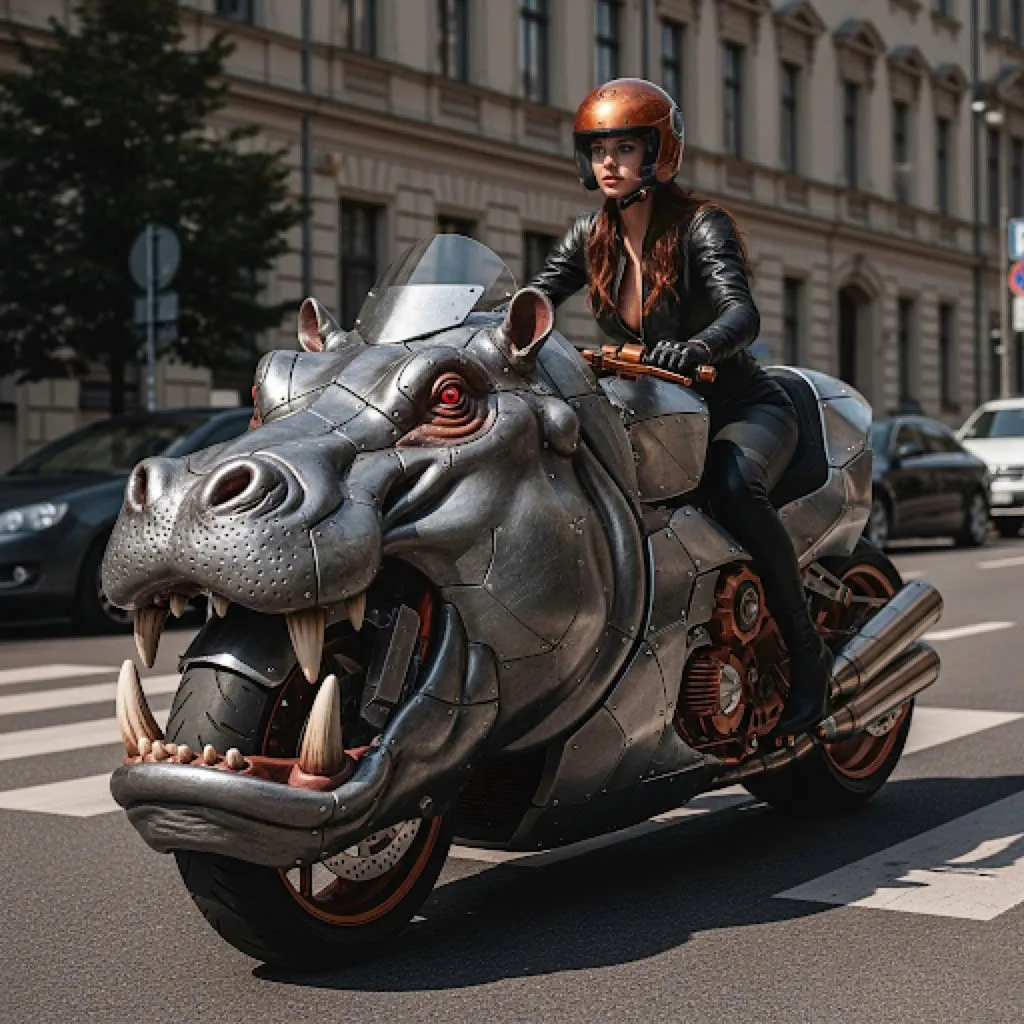
In the realm of custom motorcycles, one of the most captivating innovations is the animal shaped motorcycle. These vehicles blend artistry, engineering, and imagination — transforming the mundane into the extraordinary. Whether as a collector’s masterpiece or eye-catching street art, the animal shaped motorcycle embodies a unique intersection of design and functionality.
This article explores how to use an animal shaped motorcycle, provides creative examples, comparisons to traditional bikes, and some expert advice for enthusiasts eager to indulge in this artistic automotive niche. Dive in to discover how these whimsical machines are changing the way we perceive riding.
Contents
The Art and Engineering Behind Animal Shaped Motorcycles
The creation of an animal shaped motorcycle involves more than just cosmetic design. It’s an intricate process that combines craftsmanship, engineering, and a passion for wildlife or fantasy themes. Understanding the foundation helps appreciate the artistry involved and guides future customization efforts.
The Conceptualization and Design Process
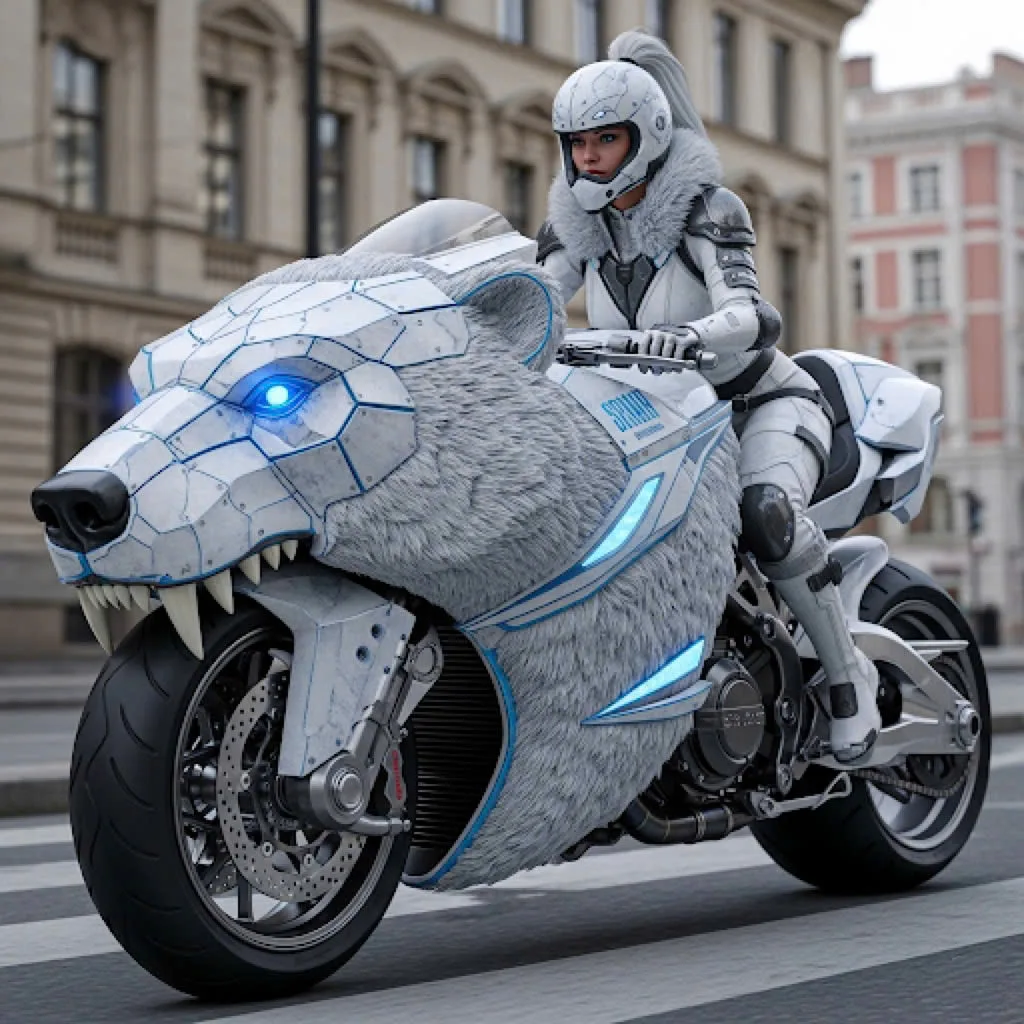
Every animal shaped motorcycle begins with a vision. Designers often draw inspiration from animals like lions, tigers, birds, or mythical creatures, aiming to evoke specific moods or themes. This process involves sketching, model making, and digital 3D rendering to refine the aesthetics before any physical work begins.
Designing a motorcycle with an animal theme demands a balance between form and function. While aesthetics are essential, the bike’s aerodynamics, balance, and safety cannot be compromised. The designer must ensure that the animal features seamlessly integrate with the motorcycle’s structural elements.
An important aspect is choosing materials that allow for detailed detailing while maintaining durability and weight considerations. Fiberglass, carbon fiber, and custom-molded plastics are common choices, enabling stylized features like animal faces or limbs with realistic textures.
Engineering Challenges and Solutions
Transforming concept into reality involves addressing several engineering challenges. For example, creating a lion’s mane that doesn’t interfere with the rider’s visibility or aerodynamics requires precise design. Additionally, attaching large or protruding features increases the risk of damage during riding.
Engineers often incorporate lightweight frameworks and sacrificial parts that can be replaced if damaged. Integrating lighting and electronics into animal features—such as blinking eyes or glowing parts—adds to the complexity.
Despite these challenges, innovative solutions like modular sculptures that can be easily taken apart for maintenance have emerged. Engineers also focus on ensuring the creature’s features don’t obstruct vital controls or obscure the view, maintaining rider safety and comfort.
Materials and Techniques for Crafting Animal Features
Materials selection is pivotal in designing realistic animal details. Fiberglass remains popular due to its moldability, lightweight nature, and affordability.
Other techniques include:
- 3D Printing: for complex, detailed features like animal facial expressions or intricate patterns.
- Hand Sculpting: for custom, expressive details, especially on limited edition bikes.
- Painting and Airbrushing: to add realistic color gradients, textures, and fur patterns.
Incorporating elements like movable limbs or animated faces can bring the motorcycle to life, turning static sculptures into dynamic attractions on two wheels.
Using and Maintaining Your Animal Shaped Motorcycle
Once your animal shaped motorcycle is complete, knowing how to use it effectively and keep it in top condition is crucial for long-term enjoyment and safety.
How to Ride and Showcase Your Artistic Motorcycle
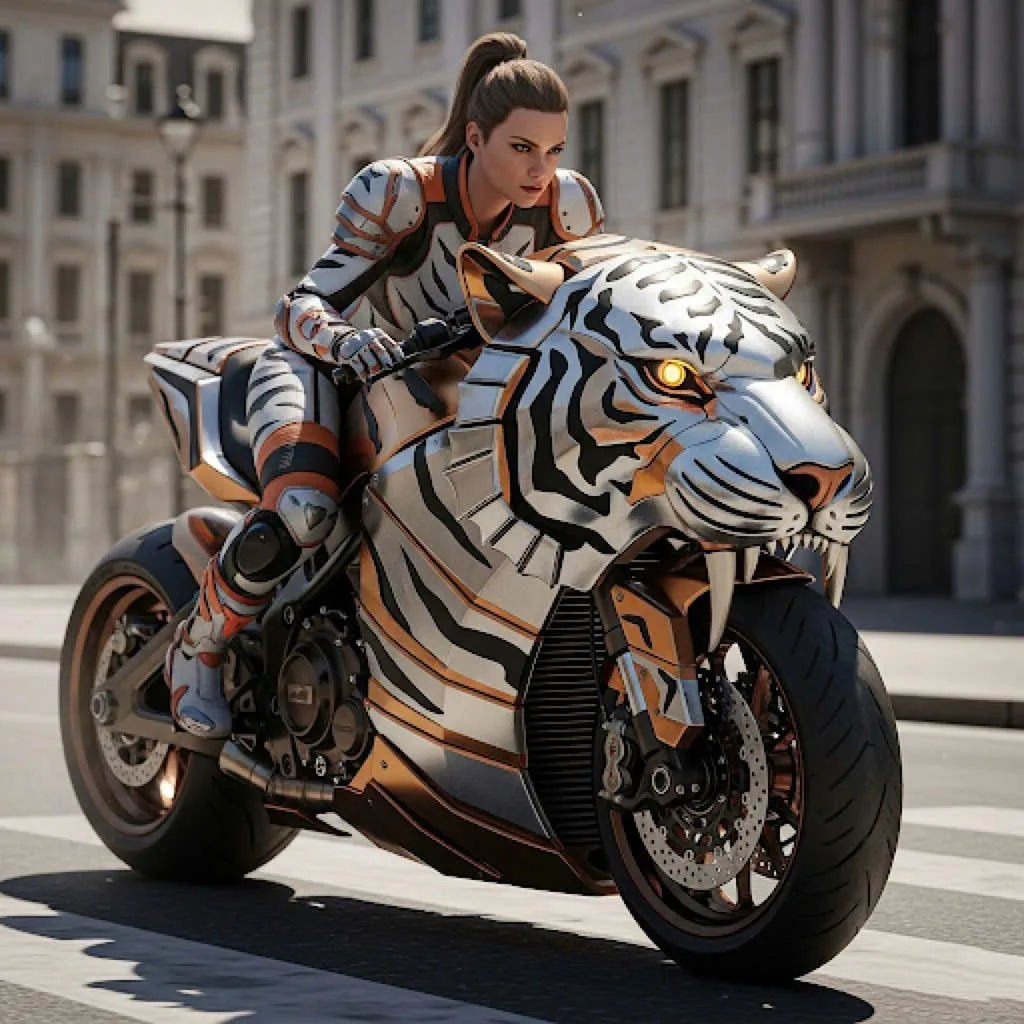
Riding an animal shaped motorcycle combines the pleasure of traditional biking with the thrill of showcasing art. Maneuvering through city streets or scenic routes, owners often become moving art displays.
To use such a motorcycle:
- Get comfortable with the weight and size of the custom features. The added sculptures may alter handling.
- Ensure visibility isn’t compromised — check that decorations don’t block mirrors or lights.
- Adjust riding style to account for potential wind resistance or balance differences caused by elaborate features.
Consider it a conversation starter and an opportunity to express your personality. These bikes often attract admiration from fellow enthusiasts and the general public.
Maintenance Tips for Animal Sculpted Motorcycles
Maintaining an animal shaped motorcycle demands attention to both mechanical components and decorative elements:
- Regularly inspect sculptures for cracks or loose parts.
- Keep the detailed features clean with gentle methods; avoid abrasive cleaners that may damage paint.
- Check lighting systems embedded within animal features regularly.
- Protect your motorcycle from extreme weather to prevent deterioration of materials and paintwork.
- Consider indoor storage or custom covers to preserve your artful machine.
Proper upkeep will ensure your motorcycle remains a showstopper while functioning reliably on the road.
Examples of Popular Animal Shaped Motorcycles
Across the globe, numerous custom builders have created iconic animal-themed bikes:
- A tiger-inspired motorcycle with textured stripes, fierce face, and vivid orange colors.
- A bird-themed bike with wing-shaped fenders and a beak-style front cowl.
- A mythical dragon with sprawling scales, fiery eyes, and smoke effects.
These examples illustrate the diversity and creativity behind animal shaped motorcycles, highlighting their potential as rolling sculptures and conversation pieces.
Comparisons: Animal Shaped Motorcycle vs Traditional Bikes
While traditional motorcycles prioritize performance, efficiency, and sleek design, animal shaped motorcycles emphasize artistry and novelty.
Aesthetic Appeal and Artistic Expression
Animal shaped motorcycles excel in visual impact. They are often custom-built by artists who see bikes as blank canvases for storytelling. These bikes go beyond mere transportation, becoming moving sculptures that evoke emotional connections.
Traditional bikes, in contrast, typically focus on aerodynamics and power, with minimal attention to ornamental design. The choice between the two depends on personal priorities—whether to express artistry or pursue performance.
Performance and Functionality
Performance-wise, standard bikes generally outperform their artistic counterparts due to streamlined shapes and optimized engineering.
However, some animal shaped motorcycles are built with high-performance engines, making them capable of impressive speeds. It’s important for riders to understand that aesthetic features might add weight or affect handling.
Cost and Maintenance Considerations
Custom animal themed bikes tend to be more expensive due to the labor-intensive design process and specialized materials. Maintenance can be more demanding, especially for intricate details that require careful cleaning and repair.
Traditional motorcycles may offer more predictable and less costly upkeep, but they may lack the visual uniqueness of their animal-inspired peers.
Personal Engagement and Cultural Impact
Animal shaped motorcycles foster community engagement, often displayed at festivals, parades, and art exhibitions. They serve as cultural symbols or personal statements, making them more than just transportation.
Traditional bikes may not evoke the same cultural response but often excel in functionality and everyday usability.
Expert Tips for Building Your Own Animal Shaped Motorcycle
For enthusiasts considering a custom project, the journey begins with planning and creativity. Here are key advisory points based on industry insights:
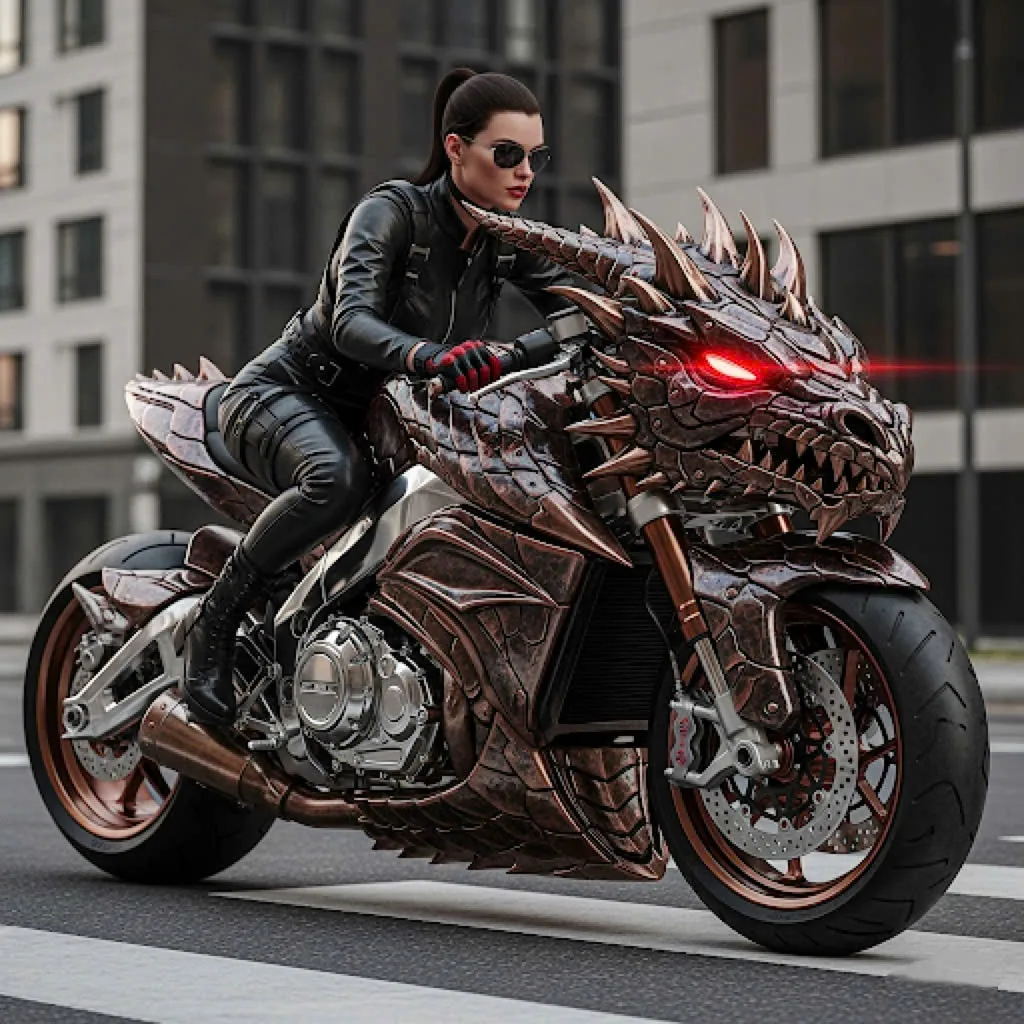
- Start with a Clear Concept: Define which animal or creature you want to embody, considering aesthetics, symbolism, and personal affinity.
- Prioritize Safety: Always ensure that decorative elements do not compromise the motorcycle’s safety systems or rider visibility.
- Choose the Right Materials: Balance aesthetic appeal with durability; fiberglass and lightweight composites are popular choices.
- Collaborate with Skilled Artisans: Work with experienced sculptors and engineers to achieve realistic and functional features.
- Plan Maintenance in Advance: Be prepared for cleaning routines and repair work to keep your motorcycle pristine.
- Consider Community and Legal Regulations: Verify local laws regarding vehicle modifications and participate in community exhibitions to gain recognition.
By approaching the project methodically, you maximize the creative potential and longevity of your animal shaped motorcycle.
Conclusion
The world of animal shaped motorcycles intertwines art, engineering, and individual expression into a captivating experience on two wheels. These unique machines serve as rolling sculptures, conversation starters, and symbols of creativity. Whether for personal pride, artistic showcase, or simply the thrill of riding something extraordinary, building and maintaining such a motorcycle requires a blend of technical skill and imaginative vision. Embracing this niche opens a pathway to an extraordinary riding adventure where every journey is as much about storytelling as about transportation.